
Uyghur literature in English plays a crucial role in preserving a rich cultural heritage that has often been overlooked or suppressed. Through translation, stories, poetry, memoirs, and historical texts written by Uyghur authors are made accessible to a global audience. These works not only reflect the depth of Central Asian literary traditions but also provide insight into the lived experiences, history, and resilience of the Uyghur people.
For readers interested in Central Asian literature, translated Uyghur books offer a rare opportunity to explore a unique literary world shaped by centuries of Silk Road culture, Islamic scholarship, Turkic traditions, and modern political realities.
Below is a curated list of important works of Uyghur literature in English translation, spanning fiction, memoir, history, folklore, and poetry.
1. Fiction / Literary Works
CAGED: The Writings of Nurmuhemmet Yasin (2016)

Nurmuhemmet Yasin is one of the most well-known Uyghur writers whose works gained international attention. His famous allegorical story “Wild Pigeon” resulted in his imprisonment in China.
CAGED: The Writings of Nurmuhemmet Yasin collects his literary essays, fiction, and reflections. His work often explores themes of freedom, identity, and the moral dilemmas faced by individuals living under oppression.
Through powerful symbolism and emotional storytelling, Yasin’s writings provide a glimpse into the struggles faced by Uyghur intellectuals and artists.
The Duned City – Memtimin Hoshur (2025)
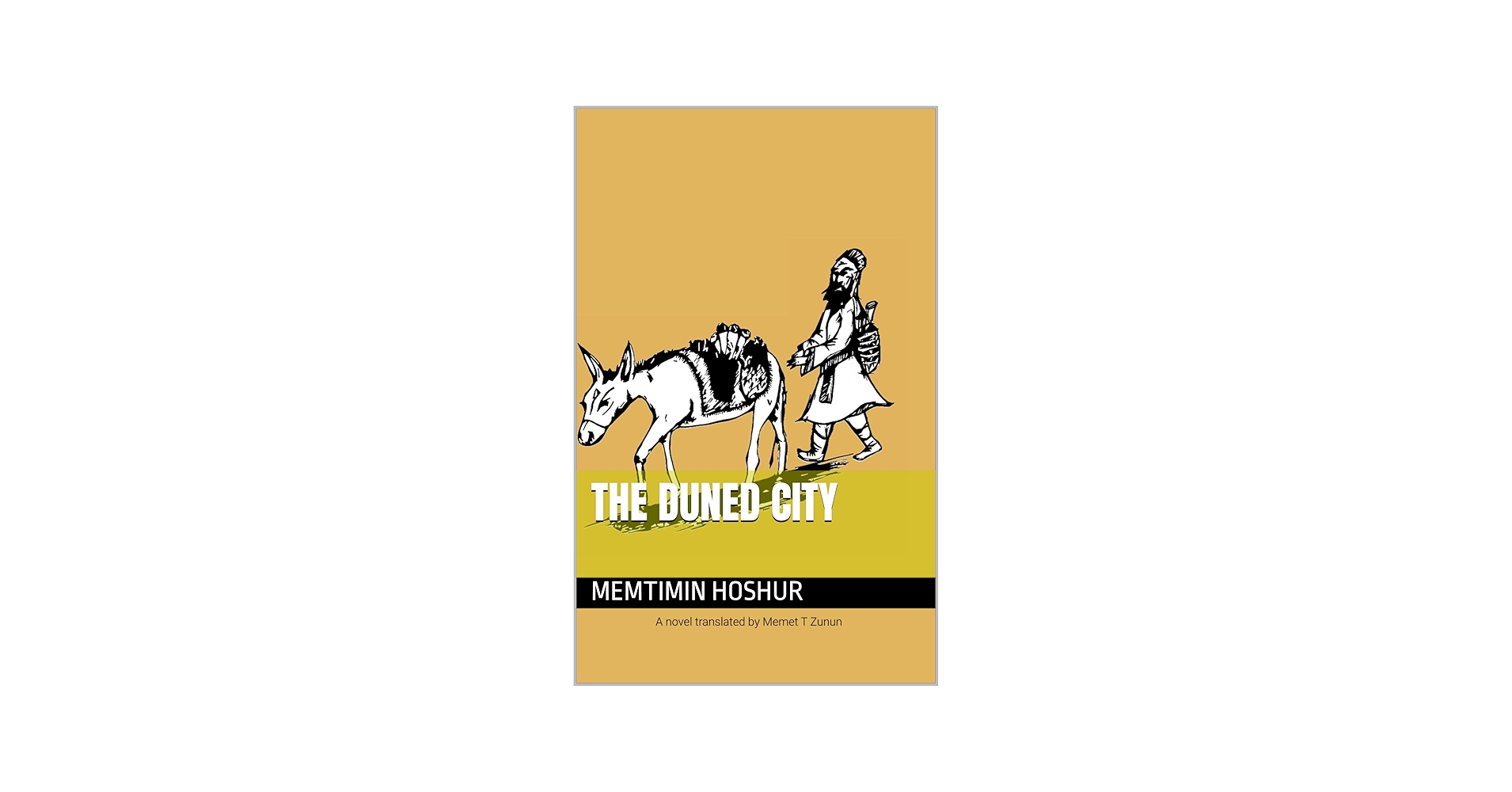
Memtimin Hoshur is one of the most respected contemporary Uyghur novelists. His works often portray everyday Uyghur life while subtly addressing social and political realities.
The Duned City, translated by Memet T. Zunun, tells the story of life in a desert city shaped by tradition, cultural change, and survival. The novel blends vivid storytelling with philosophical reflections on identity and belonging.
Hoshur’s writing style combines realism with deep cultural symbolism, making the book an important contribution to modern Uyghur literature in English translation.
2. Memoir / Novel / Historical / Religious Texts
The Land Drenched in Tears – Söyüngül Chanisheff (2018)
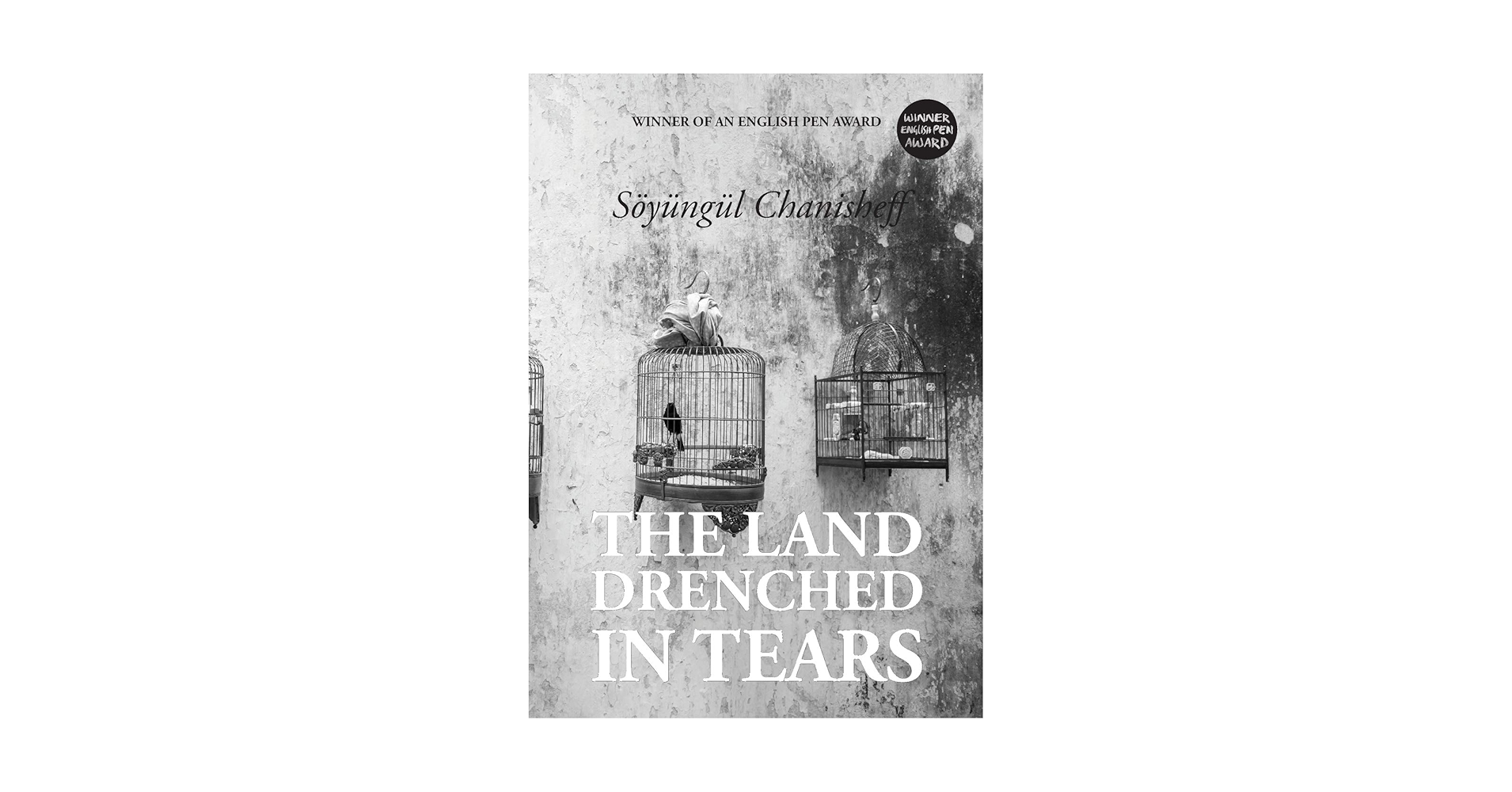
This emotional memoir tells the story of Söyüngül Chanisheff’s journey through displacement, loss, and resilience. Translated by Rahima Mahmut, the book documents the personal and collective trauma experienced by Uyghurs during turbulent political periods.
The narrative highlights the importance of family, faith, and cultural memory.
The Backstreets – Perhat Tursun (2022)
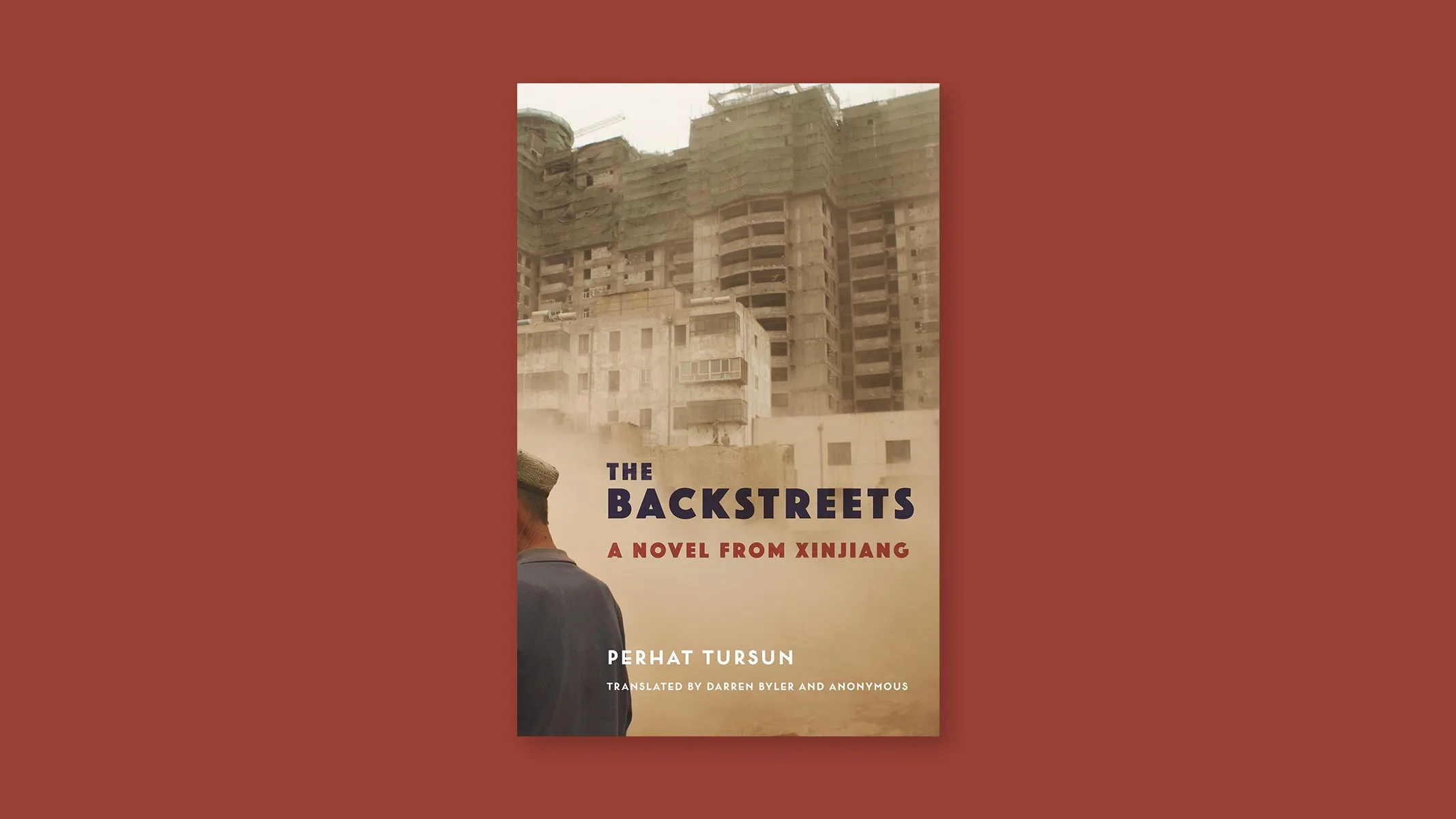
Perhat Tursun is widely considered one of the most influential modern Uyghur authors. His novel The Backstreets is a deeply philosophical and psychological narrative that follows a young Uyghur man navigating alienation and identity in a rapidly changing city.
The novel has been praised internationally and represents one of the most important modern works of Uyghur fiction available in English.
Waiting to Be Arrested at Night – Tahir Hamut Izgil (2024)
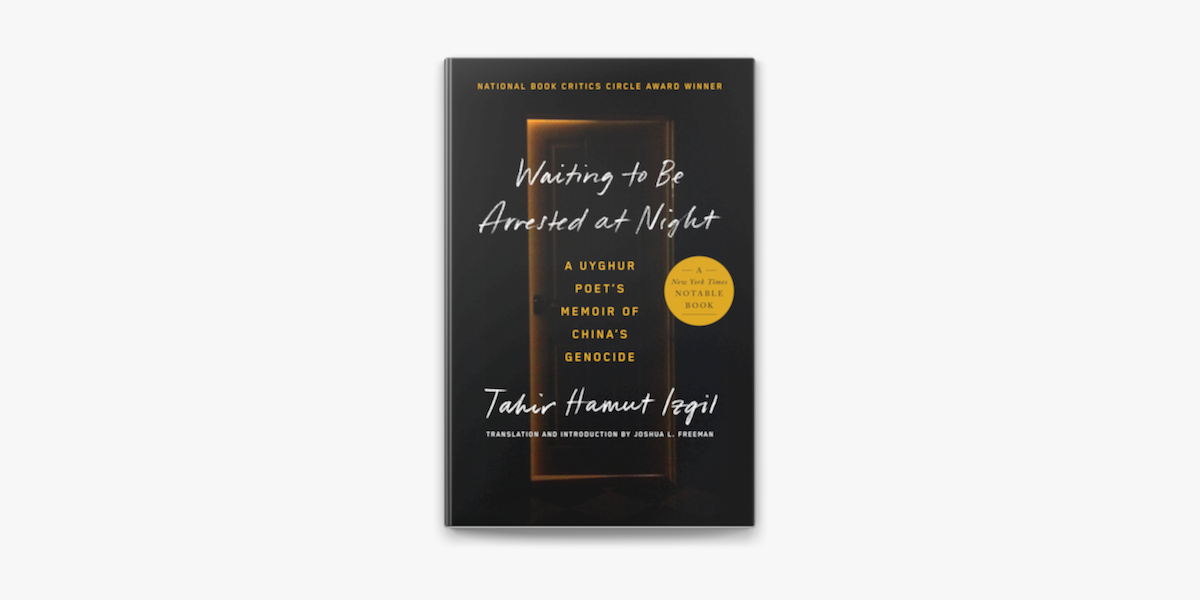
Poet and filmmaker Tahir Hamut Izgil offers a powerful memoir about living under constant surveillance in Xinjiang. The book describes the fear, uncertainty, and emotional strain experienced by Uyghur families during recent political campaigns.
It is both a personal testimony and an important historical document.
In Remembrance of the Saints – translated by David Brophy (2021)
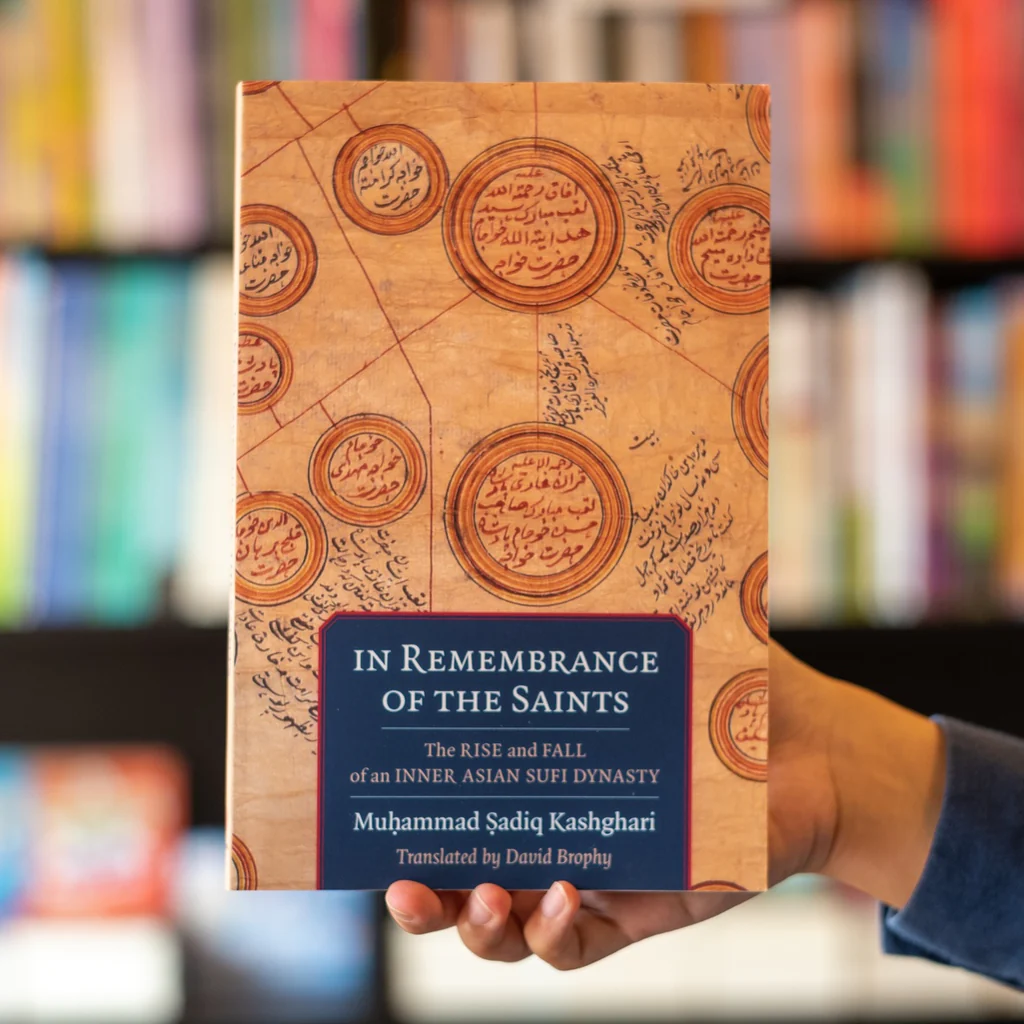
This historical work explores the spiritual and political history of a Central Asian Sufi dynasty. It provides insight into religious traditions and spiritual leadership within Uyghur society.
David Brophy’s translation helps bring this important historical text to an international audience.
The Tarikh-i Ḥamidi – Musa Sayrami (2023)
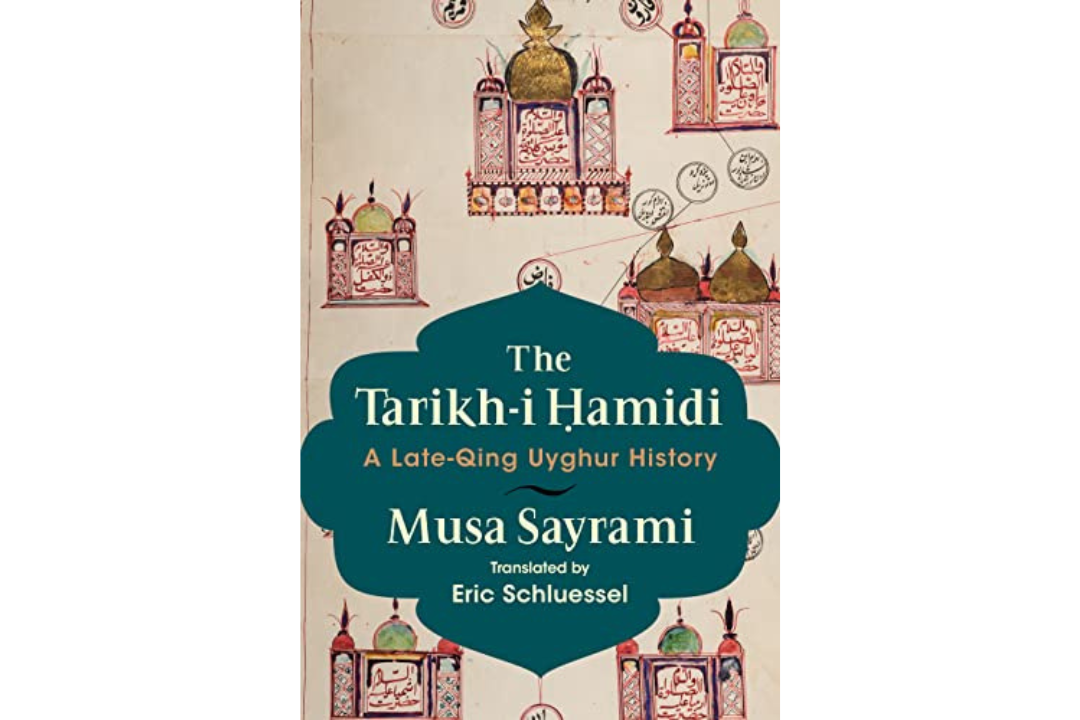
This classical historical chronicle provides one of the most detailed Uyghur perspectives on 19th-century Central Asian history.
Translated by Eric Schluessel, the work documents major political events, cultural developments, and regional conflicts of the time.
Warrior Saints of the Silk Road – Jeff Eden (2018)
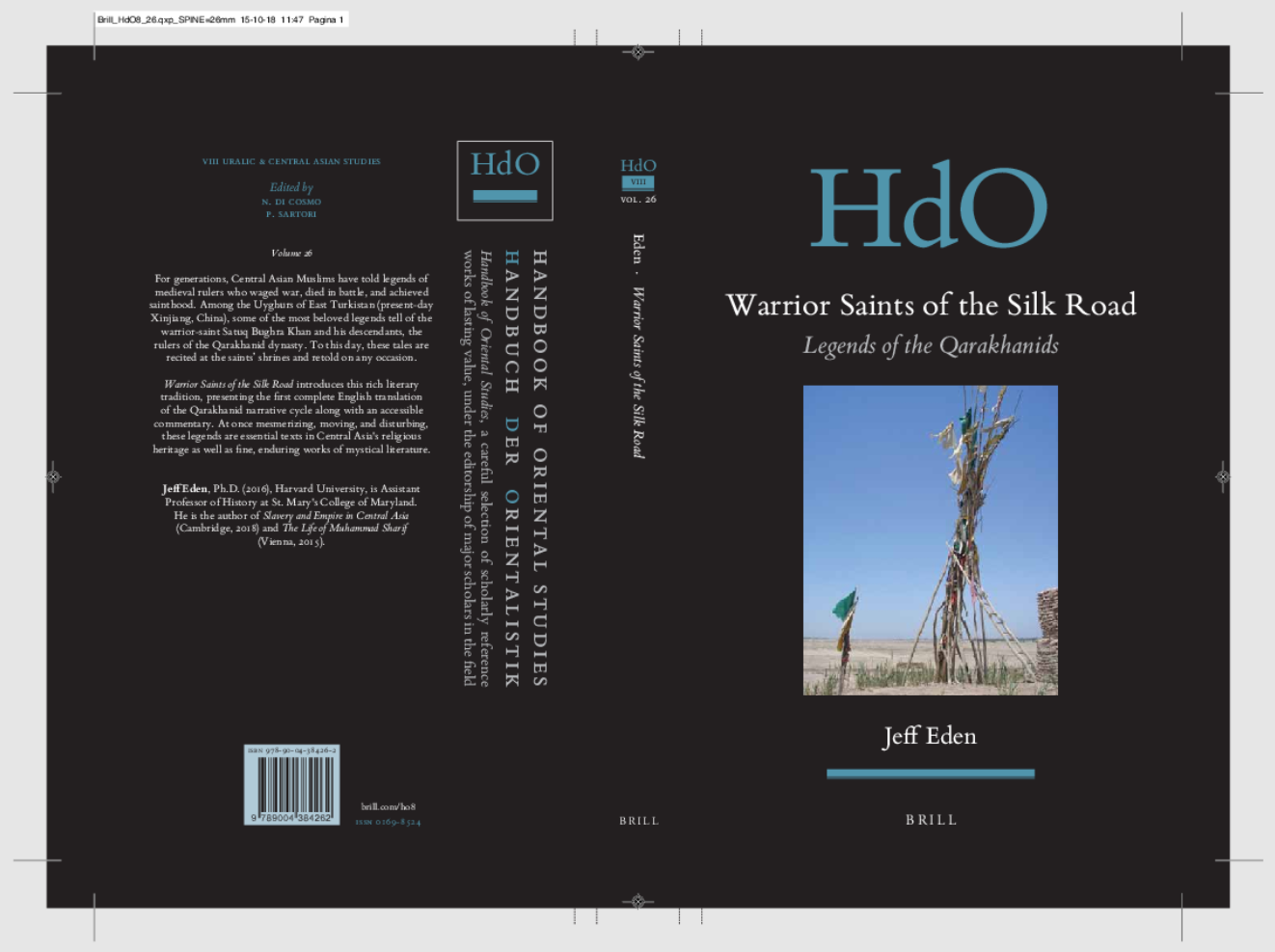
This scholarly work examines Islamic religious traditions, warrior saints, and sacred narratives connected to Central Asia’s Silk Road heritage.
It provides important context for understanding the spiritual traditions embedded within Uyghur culture.
Confessions of a Jade Lord – Alat Asem (2019)

This novel explores power, ambition, and moral conflict within Uyghur society. The narrative blends historical themes with fictional storytelling.
Bloodline – Patigül (2019)
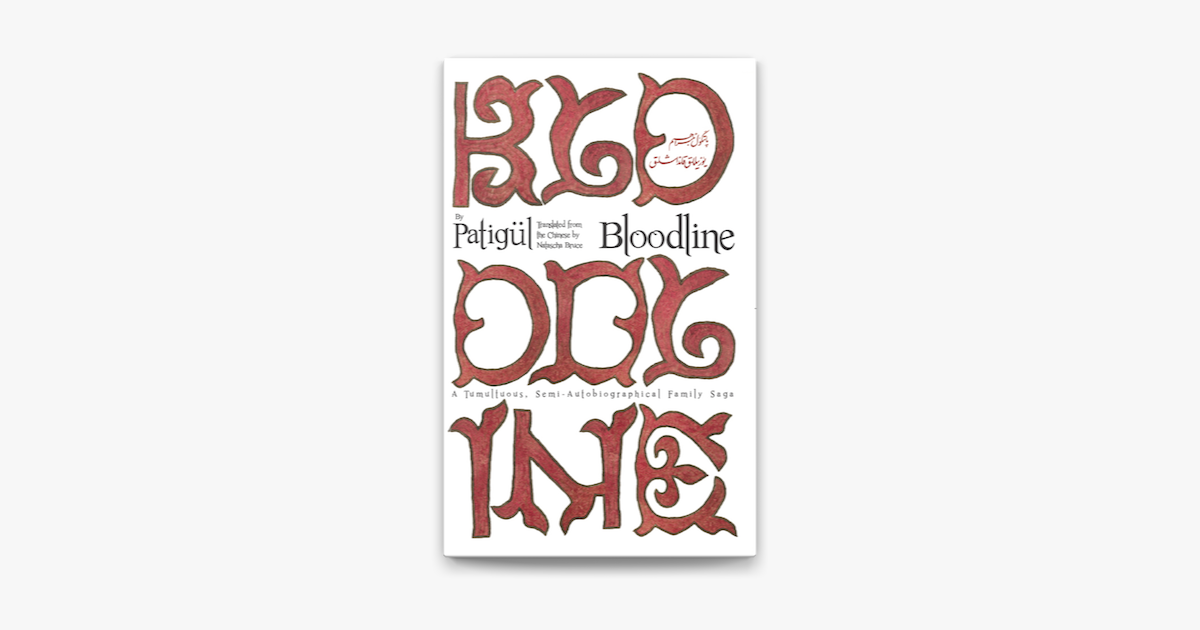
Bloodline explores themes of identity, heritage, and generational memory. The novel reflects the complex relationship between tradition and modernity within Uyghur society.
3. Folklore / Proverbs / Traditional Literature
A Treasury of Uyghur Proverbs – Memet T. Zunun (2024)
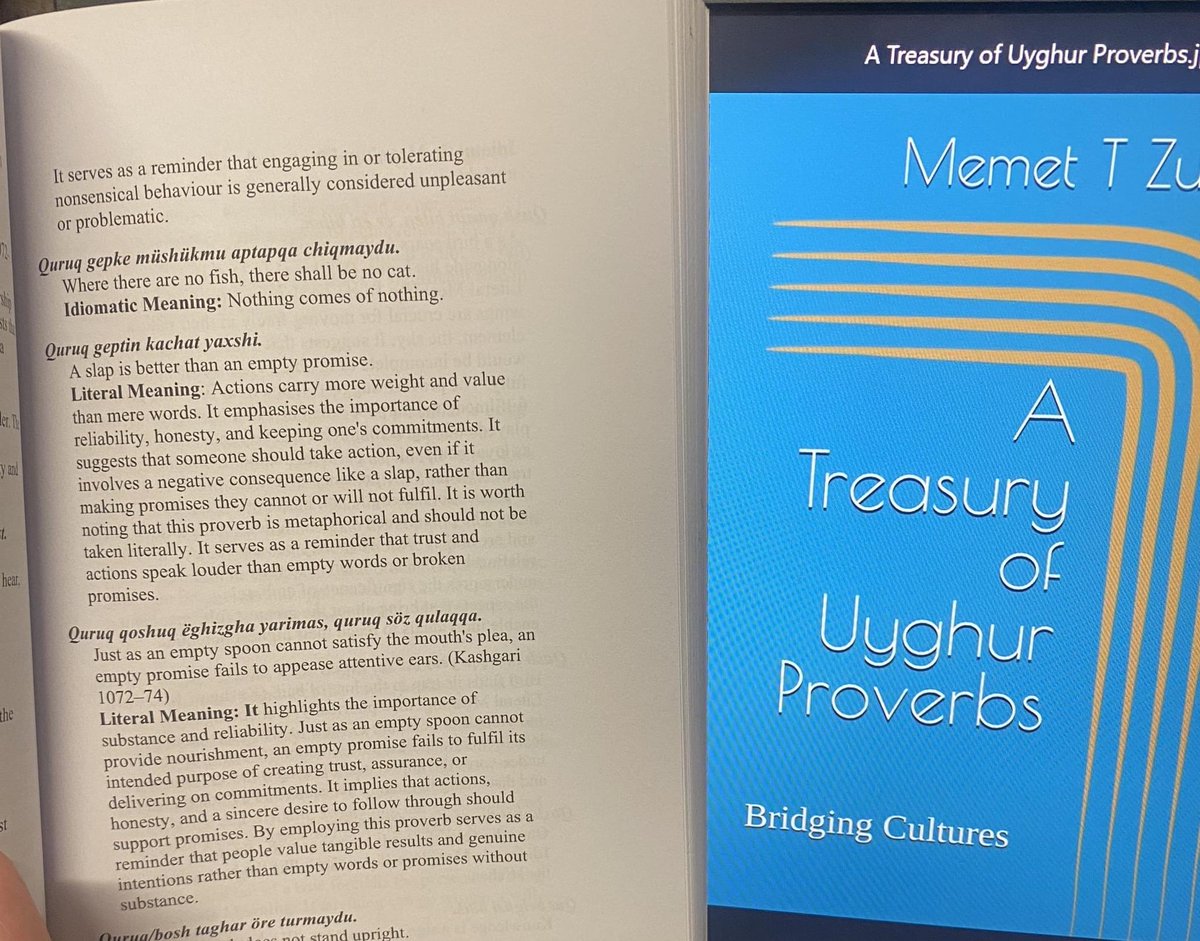
This collection gathers hundreds of traditional Uyghur proverbs passed down through generations. Proverbs play an essential role in Uyghur culture, teaching moral values, wisdom, and social etiquette.
Uyghur Folktales: Tales from the Heart of Central Asia (2024)
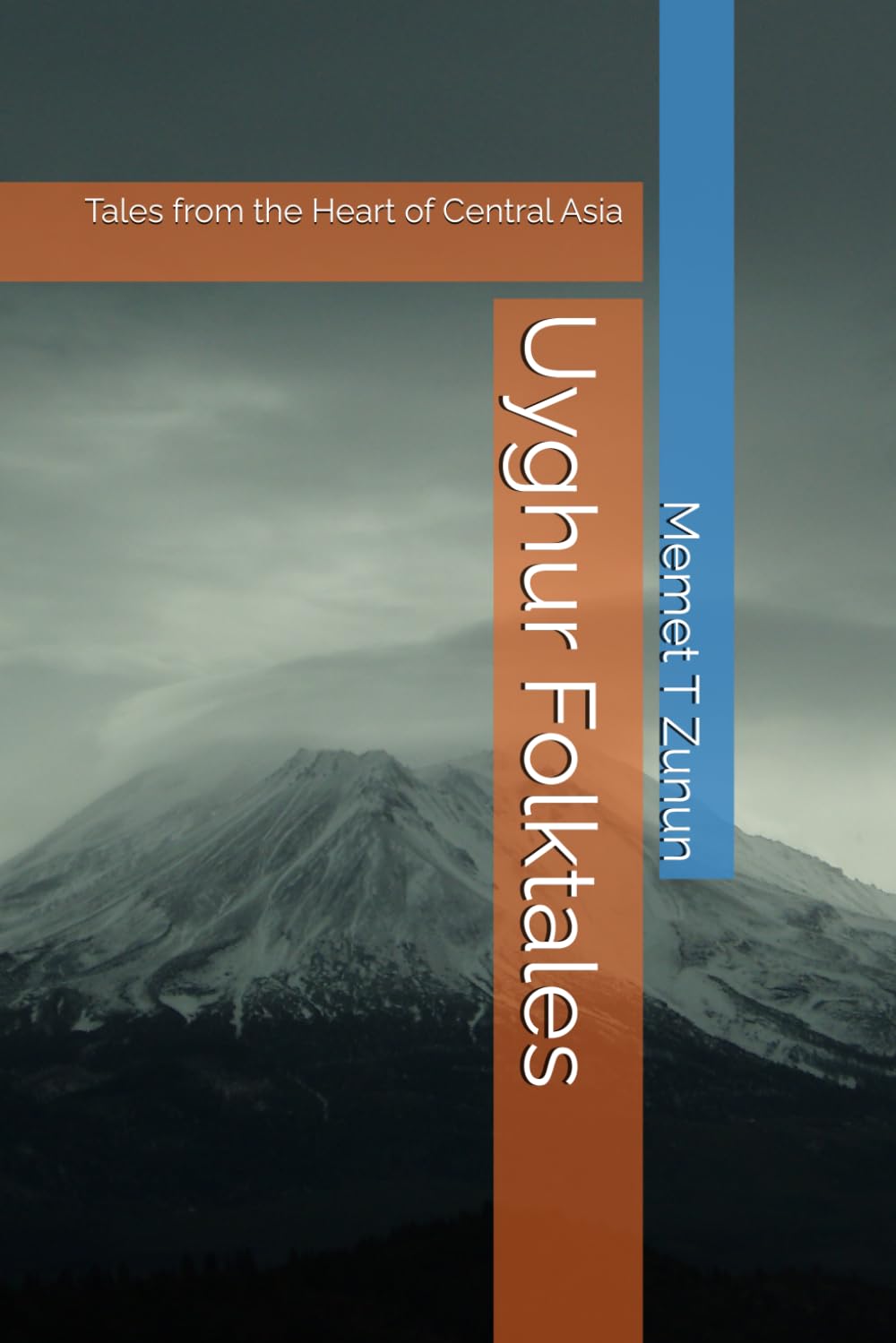
This anthology introduces readers to traditional Uyghur storytelling. The tales feature clever heroes, mystical creatures, and moral lessons reflecting centuries of Silk Road culture.
The Storified Jokes of Nasreddin Hodja – Memet T. Zunun (2024)
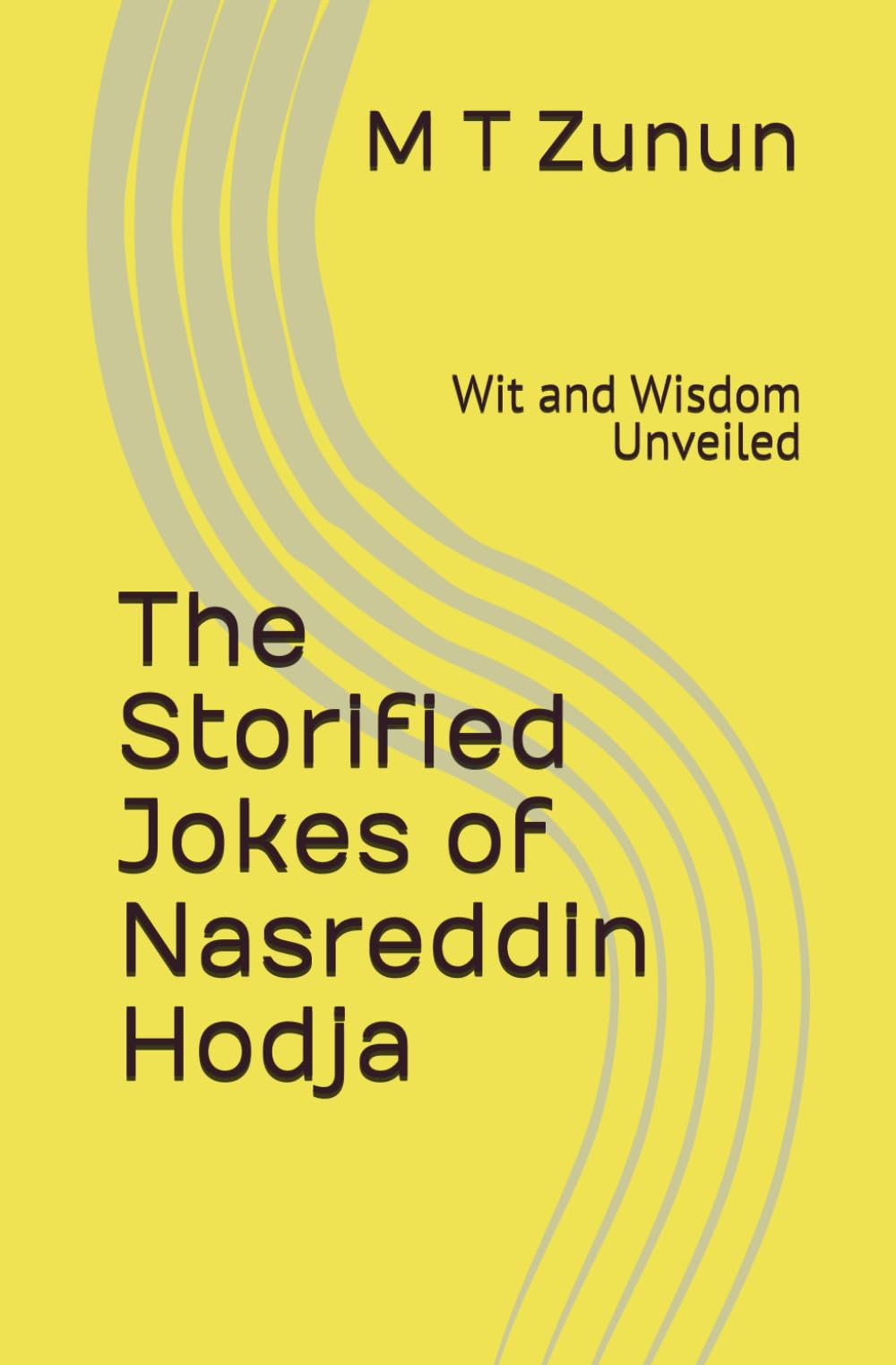
Nasreddin Hodja is a legendary folk character known across Turkic cultures. This book presents humorous stories filled with wit, satire, and wisdom.
4. Poetry
Uyghurland, the Farthest Exile – Ahmatjan Osman (2015)
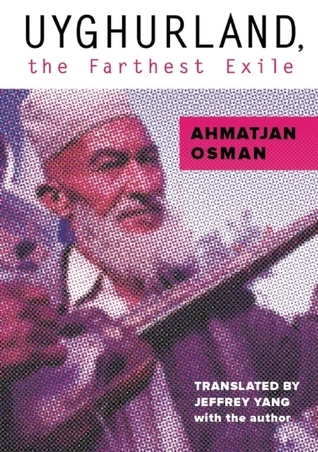
Ahmatjan Osman is one of the most influential contemporary Uyghur poets. His poetry reflects exile, longing, and cultural identity.
Drops of Melodies – Hemurah Tohti (2019)
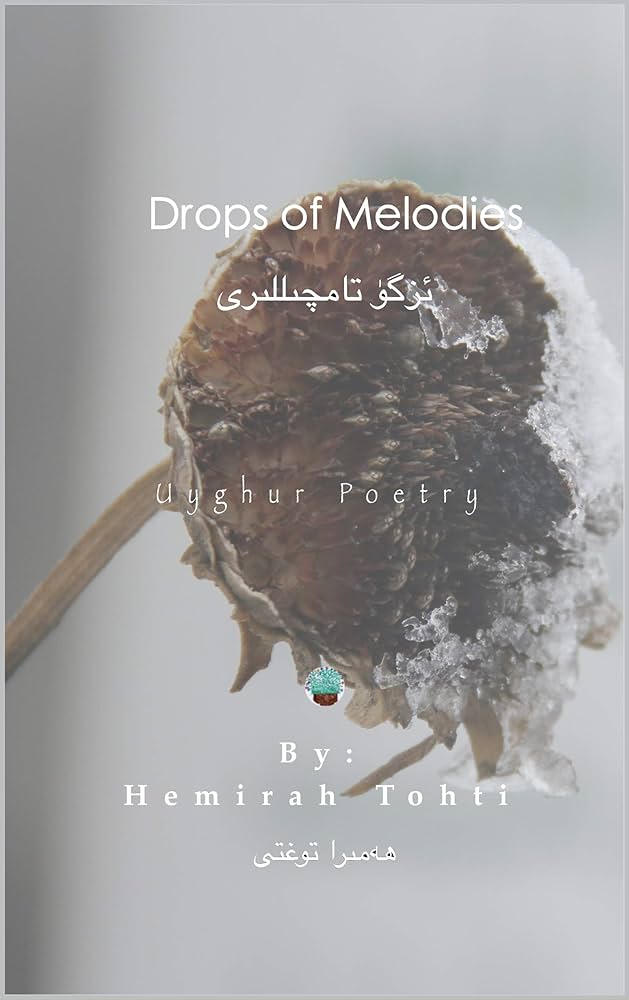
This poetic collection explores emotional landscapes through lyrical language inspired by music, culture, and memory.
Uyghur Poems – edited by Aziz Isa Elkun (2023)
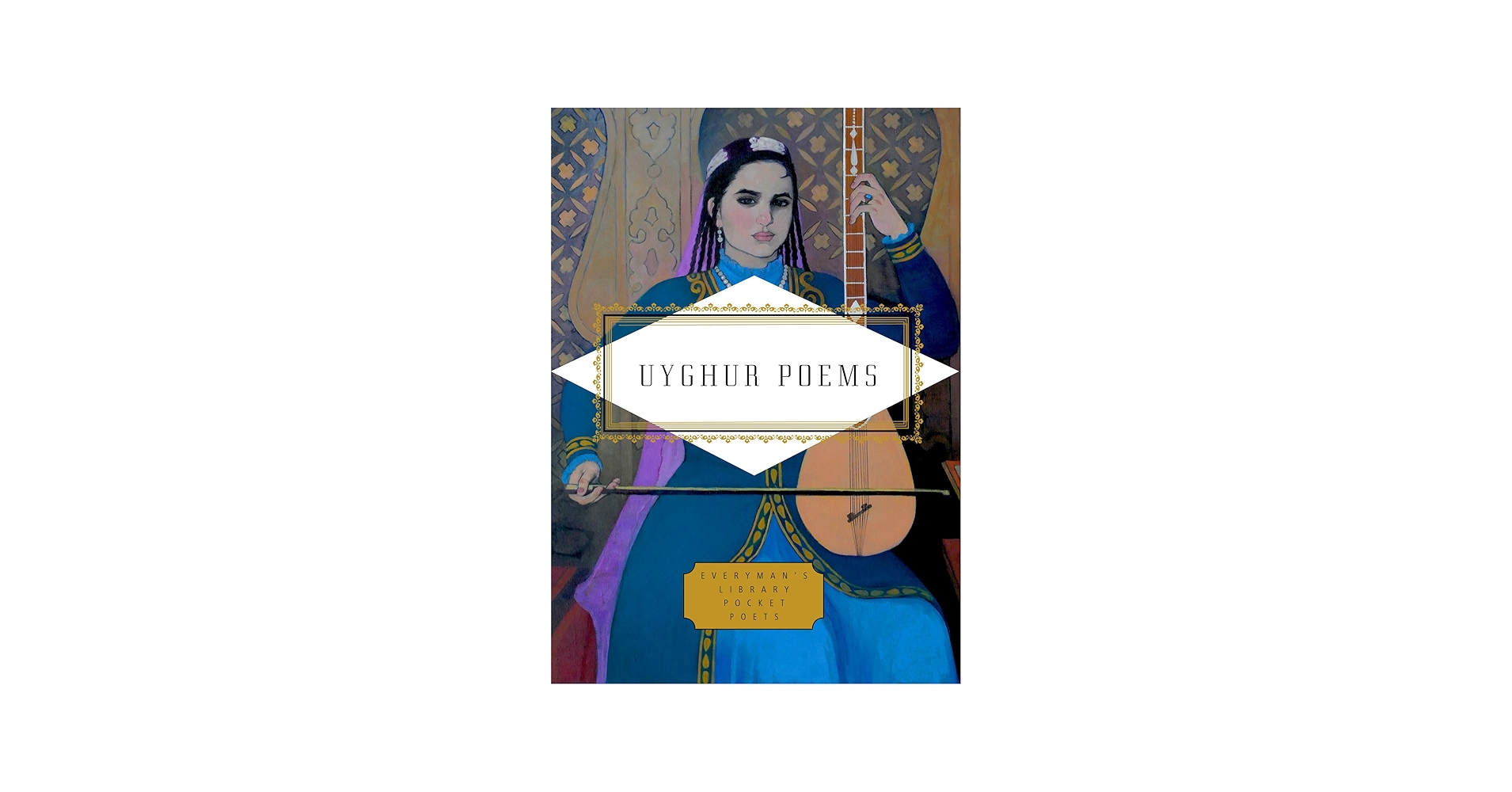
Part of the Everyman’s Library Pocket Poets series, this anthology introduces readers to a wide range of Uyghur poetic voices spanning generations.
Imprisoned Souls – Aziz Isa Elkun (2025)
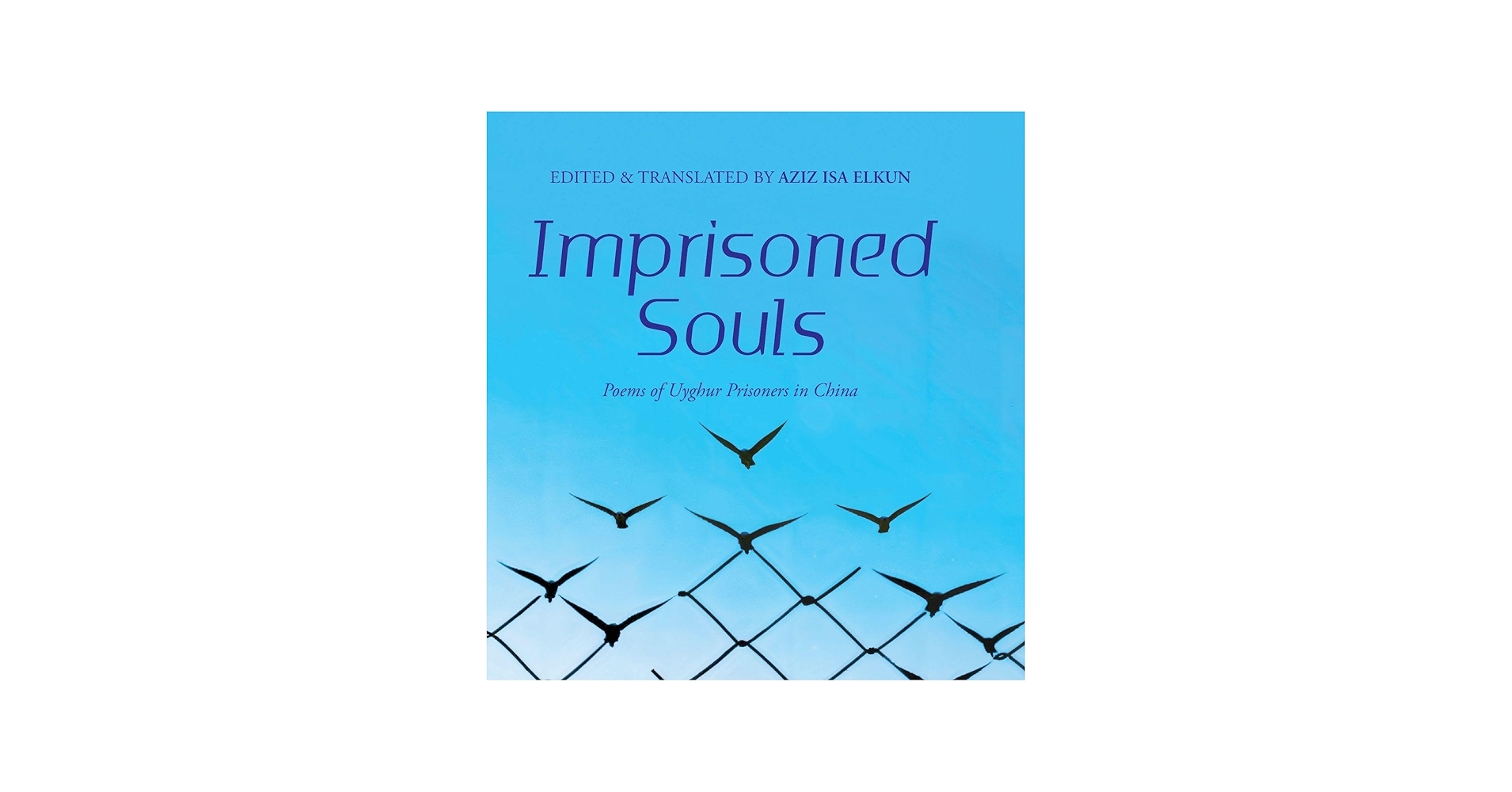
This powerful poetry collection gathers works written by Uyghur poets imprisoned or persecuted for their beliefs. The poems capture resilience, sorrow, and hope.
Bonus:
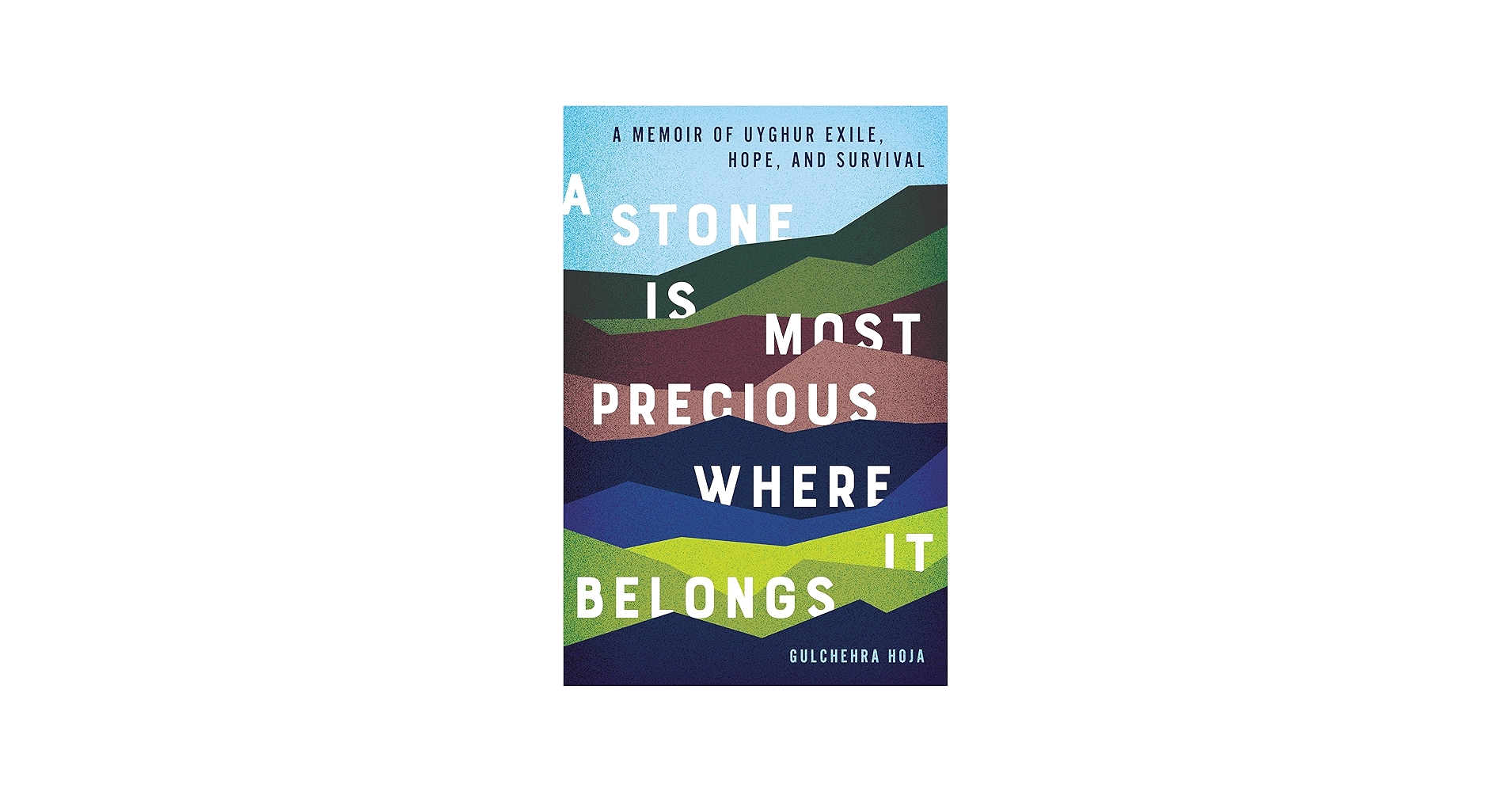
A Stone Is Most Precious Where It Belongs by Gulchehra Hoja is a powerful memoir that tells the story of a Uyghur journalist forced into exile while exposing human rights abuses in her homeland. Blending personal narrative with investigative insight, the book reveals the emotional cost of separation, identity, and cultural loss. Hoja’s journey—from a celebrated media figure in China to a voice for Uyghur freedom abroad—makes this work both deeply personal and globally significant. It is an essential read for anyone interested in Uyghur culture, modern history, and firsthand accounts of resilience.
Conclusion
The growing availability of Uyghur literature in English translation represents an important step toward preserving cultural heritage and expanding global understanding of Central Asia.
Through fiction, memoirs, historical texts, folklore, and poetry, these books provide powerful insights into Uyghur history, identity, and creativity.
Translation plays a crucial role in ensuring that the voices of Uyghur writers reach the international community. By reading and sharing these works, audiences worldwide can engage with one of the richest yet often overlooked literary traditions of the Silk Road.
If you are interested in reading books in the original language, you can explore a wide collection of Uyghur literature at
www.elkitab.org. This platform offers access to a diverse range of Uyghur books, including novels, poetry, historical texts, and educational materials. For readers who want to experience authentic Uyghur writing and deepen their understanding of Uyghur culture, Elkitab serves as a valuable digital library and resource.

The creator of UyghurLingua.com is a software engineer and a professional Uyghur language translator with over 15 years of dedicated experience. They lead a small, highly skilled team of Uyghur language translators who specialize in delivering linguistically accurate and culturally nuanced translations across various industries. Combining technical expertise with a profound passion for linguistics, they established this platform to share specialized knowledge, translation insights, and valuable resources focused entirely on the Uyghur language niche.


